

WANT TO EXPLORE MORE? VISIT FRENCHYSONLINE.COM FOR MORE INFORMATION ON LOCAL ACTIVITIES! – WANT TO EXPLORE MORE? VISIT FRENCHYSONLINE.COM FOR MORE INFORMATION ON LOCAL ACTIVITIES!
WANT TO EXPLORE MORE? VISIT FRENCHYSONLINE.COM FOR MORE INFORMATION ON LOCAL ACTIVITIES! – WANT TO EXPLORE MORE? VISIT FRENCHYSONLINE.COM FOR MORE INFORMATION ON LOCAL ACTIVITIES!
Which is Better: Snow Crab vs King Crab?

Introduction
Overview of Snow Crab and King Crab
Snow crab and king crab are top choices in American kitchens today. Both types offer sweet and tender meat for your recipes. However, they differ in size, flavor, and how you serve them. Snow crab features slender legs and a delicate sweetness.
King crab is much larger with thick, meaty legs that look impressive. Understanding these differences helps you make better choices at the seafood market.
These crabs are now staples in U.S. food culture and holiday meals. Each variety brings a unique texture and visual appeal to your table. Snow crab legs usually come in clusters and are easier to handle. King crab legs are sold individually because they are so massive. Knowing what to expect makes it easier to plan your next special meal.
Importance of Crab in Culinary Culture
Crab is a major part of American food culture today. People love its sweet flavor and tender meat. You often see it at casual boils or fancy holiday meals.
Both types are staples in kitchens across the country. Snow crab has slender legs that work well for appetizers. King crab features massive legs that make a great centerpiece for your table.
These crabs are symbols of premium seafood dining in the U.S. They represent regional traditions like the famous Alaskan harvests. This popularity inspires many new recipes for home cooks to try. You can make everything from simple steamed legs to rich seafood dips. Knowing the difference between these types helps you create the best dining experience.
Sources: Docksidehhi Alaskankingcrab
Snow Crab vs Alaskan King Crab: Basic Differences
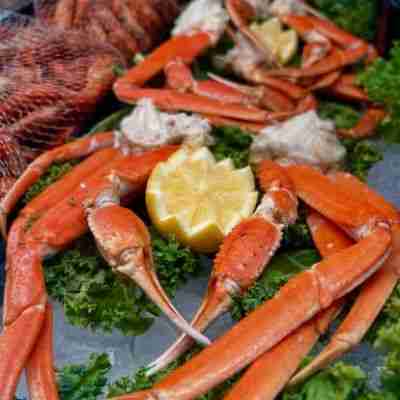
Physical Characteristics: Snow vs King Crab
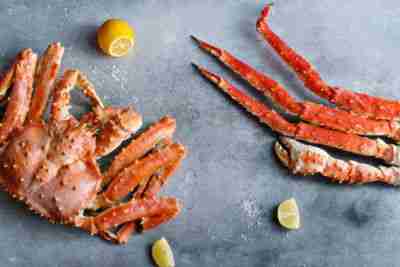
King Crab Legs vs Snow Crab Legs
- Snow Crab: Snow crabs have long, slender legs with smaller, lighter bodies. The legs are segmented and delicate, making them easy to handle and crack, which is ideal for sharing at casual seafood boils or on a platter.
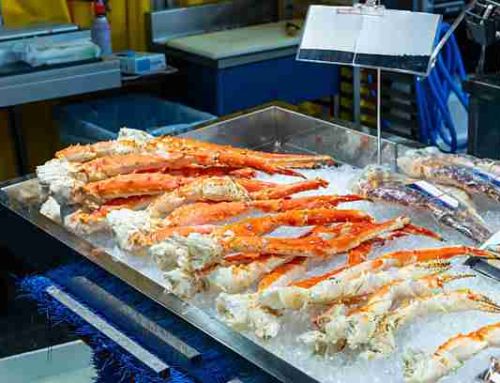
- King Crab: King crabs feature massive, thick legs that are packed with dense meat. Their bodies are smaller relative to the size of their legs, but the legs alone provide large portions of meat, perfect for centerpiece dishes.
Shell Thickness & Texture
- Snow Crab: The shells are thin and relatively soft compared to king crab. This makes cracking the legs easier with basic tools or even by hand, which is why snow crab is popular in casual dining settings.
- King Crab: The shells are thick, spiny, and rigid, requiring specialized seafood tools such as mallets or crackers to access the meat. The spiny texture adds visual appeal and a sense of occasion when served.
Meat Density
- Snow Crab: Snow crab meat is tender, flaky, and less dense. Its delicate texture makes it ideal for dipping, folding into salads, or adding to light dishes without overpowering other flavors.
- King Crab: King crab meat is rich, dense, and substantial. The larger leg size provides hearty, satisfying portions that are excellent for dishes where the crab is the star ingredient.
Color Difference Between Snow Crab and King Crab
- Snow Crab: Snow crab shells range from light orange to reddish-brown. The soft hue gives them an elegant yet approachable appearance, especially when served in casual or festive settings.
- King Crab: King crab shells are deep red with spiny textures, giving them a bold, dramatic look. The striking color makes them stand out on the plate and adds a visual wow factor.
Serving & Presentation
- Snow Crab: Due to their lighter legs and delicate shells, snow crabs are ideal for shared platters, casual seafood boils, or buffet-style serving. They’re easy to portion and allow diners to enjoy small, manageable pieces.
- King Crab: King crab’s large, meaty legs make it perfect for elegant meals or special occasions. The dramatic size and thick legs lend themselves to impressive plating, making it a showpiece for gourmet dinners.
- Sources: Fogharbor Docksidehhi
Size Comparison: King vs Snow Crab Legs
- Snow Crab:
- Snow crabs are generally smaller than king crabs. Adult snow crabs typically weigh 5–10 pounds for a whole crab, with legs that are long but slender.
- Individual legs are thinner and easier to handle, making them ideal for casual sharing and portioning for multiple diners.
- Because of their smaller size, snow crabs cook quickly and evenly, making them perfect for steaming or boiling in batches.
- King Crab:
- King crabs are significantly larger, with adult specimens weighing 6–10 pounds or more, and legs that can span over 3–4 feet from tip to tip.
- The sheer size of the legs means each portion provides a generous amount of meat, ideal for centerpiece dishes or serving fewer people with larger portions.
- King crabs require more time to cook due to their thick shells and dense meat, and specialized tools are often necessary to access the legs efficiently.
- Comparison Summary:
- Snow crab offers smaller, lighter portions that are easy to share and cook quickly.
- King crab provides large, meaty portions that make a dramatic presentation and are more filling per leg.
- Choosing between the two often depends on the number of diners, desired presentation, and how you plan to serve the crab.
Price and Availability: Snow Crab vs King Crab Legs
- Market Comparison
- Snow crab is generally more affordable than king crab, making it a popular choice for casual meals or large seafood boils.
- King crab is considered a premium seafood item due to its size, rich meat, and higher demand, often appearing in restaurants and special occasions.
- Availability can vary seasonally and regionally; both crabs are commonly sold fresh, frozen, or pre-cooked at seafood markets and online.
- Factors Influencing Prices
- Size and weight: Larger king crab legs command higher prices, while snow crab legs are smaller and less expensive per pound.
- Harvesting location: Alaskan king crab is highly prized, which affects pricing compared to snow crab sourced from the North Atlantic or Pacific.
- Seasonality: Both crabs have peak seasons, influencing market availability and cost.
- Processing and shipping: Pre-cooked or frozen crab legs may have additional costs due to handling, packaging, and shipping.
- Buying Tips
- Snow crab is ideal for sharing with multiple people without breaking the bank.
- King crab is perfect for centerpiece dishes or special occasions where large, meaty legs make an impression.
- Check seafood suppliers for freshness and sustainably sourced options to ensure quality and responsible harvesting.
Taste Tests: What Does Snow Crab Taste Like?

Flavor Profile of Snow Crab
Snow crab is prized for its sweet, delicate flavor and light, flaky texture. The meat is tender but not dense. This makes it perfect for quick cooking methods like steaming or boiling.
Snow crab’s subtle sweetness pairs well with butter or citrus. It also goes great with light sauces. Its flavor is consistent across the legs. The thinner shell allows the natural crab taste to shine through. You only need minimal seasoning to enjoy it at home.
Flavor Profile of King Crab
King crab is known for its rich, robust flavor and firm, meaty texture. Its dense meat holds up well to steaming, boiling, or baking. You can easily highlight the flavor with butter, garlic, or bold seasonings.
The large legs of the king crab provide substantial portions of meat. This makes it ideal for dishes where the crab is the star of the plate. The flavor is slightly sweeter than snow crab but feels more pronounced due to its richness and size.
Does King Crab Taste Like Snow Crab?
Snow crab and king crab are top choices in American kitchens today. Both types offer sweet and tender meat for your recipes. However, they differ in size, flavor, and how you serve them. Snow crab features slender legs and a delicate sweetness.
King crab is much larger with thick, meaty legs that look impressive. Understanding these differences helps you make better choices at the seafood market.
These crabs are now staples in U.S. food culture and holiday meals. Each variety brings a unique texture and visual appeal to your table. Snow crab legs usually come in clusters and are easier to handle. King crab legs are sold individually because they are so massive. Knowing what to expect makes it easier to plan your next special meal.
Source: Southernliving
Cooking Recipes
Snow Crab Claws Recipe – Snow Crab Legs (Boiled Cajun Style)
This simple Cajun-style snow crab legs recipe highlights the naturally sweet flavor of snow crab by boiling the legs with classic seasonings. It’s quick to prepare and perfect for serving with melted butter or Cajun cocktail sauce for dipping.
Ingredients:
- 1–2 snow crab clusters per person (depending on size)
- 1/4 cup Cajun Shrimp & Crab boil
- Salt to taste
- 1 medium sweet onion
- 3 celery stalks (or celery powder)
- 2 tablespoons garlic powder or several garlic pods
- 1/4 cup white distilled vinegar
- 1/4 cup lemon juice
- 5 bay leaves
Instructions:
- Fill a large 8–12 quart stockpot with water, leaving a few inches from the top so there’s room for the crab legs.
- Add the shrimp and crab boil seasoning, salt, onion, celery, garlic, vinegar, lemon juice, and bay leaves to the pot.
- Bring the seasoned water to a rolling boil.
- Add the snow crab legs to the boiling water.
- Return the water to a boil and let crab legs cook for 2–3 minutes.
- Turn off the heat and remove the crab legs from the pot.
- Serve immediately with melted butter, Cajun cocktail sauce, or your favorite accompaniments.
Source: Cajun Cooking TV
King Crab Legs Recipe – Alaska King Crab Mariner Style with Sake, Ginger, Scallions, Soy Sauce, and Butter
This flavorful king crab recipe combines tender Alaska king crab legs with savory Asian-inspired ingredients like sake, ginger, scallions, soy sauce, and butter. It’s quick to prepare and perfect for a special meal.
Ingredients:
- 2 pounds Alaska king crab, thawed and drained
- 7 tablespoons unsalted butter
- 7 tablespoons sake
- 1 1/2 tablespoons soy sauce
- 1 1/2 tablespoons ginger, finely diced
- ½ bunch Thai basil, leaves picked
- 1 bunch scallions, thinly sliced (greens only)
- Juice of 1 lime
- 2 tablespoons canola oil
- Optional: steamed white rice or grilled bread
Instructions:
- Using kitchen shears, cut crab legs into 3-inch pieces and remove the shell on one side to expose the crab meat while keeping it in the shell.
- Heat a wok or large pot over high heat; add oil and ginger, cooking for about 15 seconds.
- Add Thai basil, then the crab pieces, and sauté for 2–3 minutes.
- Add sake and cook another 2–3 minutes on high heat.
- Remove crab legs to a bowl. Add soy sauce, lime juice, and butter to the pot; reduce heat to medium and cook for about 1 minute.
- Return the crab legs to the pot and stir to coat them in the sauce.
- Divide into bowls, garnish with Thai basil and scallions, and serve immediately with grilled bread or steamed white rice.
Source: Alaska Seafood Marketing Institute
Conclusion

Snow crab and king crab each offer unique qualities for your kitchen. Snow crab is lighter and more delicate with thinner shells. This makes it easy to cook, crack, and share during casual meals.
King crab is larger and meatier with a much richer flavor. Its thick, spiny shells create a dramatic look for a bold meal. Price and portion sizes also differ between the two types. Snow crab is more affordable and very quick to prepare. King crab is a premium option that works best for special occasions.
Which Crab to Choose?
Snow crab and king crab are excellent choices for home cooking. Each variety offers a unique dining experience depending on your needs.
Choose snow crab if you want a tender, sweet, and budget-friendly option. It is very easy to serve for family meals or large seafood boils. The thinner shells make it simple for everyone at the table to enjoy without special tools.
Choose king crab if you are looking for a show-stopping centerpiece. It offers generous portions and a rich, meaty taste that feels like a special treat. These massive legs create a dramatic presentation for gourmet dinners and celebrations.
Both crabs shine when you cook them simply. You can boil, steam, or prepare them mariner-style with flavorful seasonings. No matter which you pick, the natural taste of fresh crab will be the star of your meal.
We offer plenty of crab varieties in store, including king crab, snow crab, and other popular types. You can also order colossal stone crab claws online for a special treat: Frenchy’s Stone Crab Claws.
If you place them in the refrigerator after receiving them, they will be good for 3-5 days. If they go directly into the freezer, they can be saved for months. Think of them like any other frozen seafood item.
We do not recommend leaving the crab in the box once you receive it. Stone crab claws require open air to maintain freshness. If they are in an enclosed box/bag for over 48 hours, the claws will become acidic smelling. We recommend storing the claws in the refrigerator in the open air or the crisper drawer.
No. We do not recommend scoring or pre-cracking stone crab claws, as the meat tends to dry out quickly once cracked.
This depends on the size of the claw. For a more detailed visual look, click here.
Medium claws: 6-7 per pound
Large claws: 4-5 per pound
Jumbo claws: 3 per pound
Colossal: 2 per pound
Mega Colossal: 1 per pound <- These guys are HUGE!!
SALTWATER THAWING BRINE:
You are looking for a ratio of about one-half cups of salt to one gallon of water. Put the container in your fridge or, if you don’t have room in your fridge, use ice bags to keep it cool. Keep in solution overnight for a fresh, just out of the water, taste!
This answer depends on the time of year that they are purchased. At Frenchy’s Seafood Market, our goal is to provide the freshest seafood possible. During the off-season, it is common for us to “Fresh Freeze” the crab after cooking to ensure freshness and preserve the already cooked meat. For thawing instructions, see “How do I thaw frozen Stone Crab claws?”
There are several options for opening stone crab claws. If you click HERE you will find our stone crab cracker. This is an industrial-strength cracker, which assists in opening the toughest shells! This cracker is best used for large quantities of stone crab claws. For smaller amounts, you can simply use the handle of a butter knife to open them. Use this with the same force that one would use to hit a nail with a hammer. Take care not to over crack the claws, as this will cause the shells to become embedded in the claw meat. For the ultimate culinary experience, read our stone crab serving guide for a more in-depth look!
Stone crab claws are similar to shrimp. Some people prefer them cold and dipped in mustard, while others prefer them heated. If you heat them, a quick dip (no more than a minute) in boiling water will bring them up to temperature! If still not sure, check out our stone crab preparation guide!
Yes, Stone Crab are cooked as soon as they are taken off the boats to ensure that the meat does not stick to the shell!
The season begins on October 15 and ends on May 1. During the summer months, we offer a superior quality Stone, frozen at the peak of freshness and arrives at your door ready to eat. For more information check out our Stone Crab Season Guide.
Dive Deeper Into King Crab –
Dive Deeper Into King Crab –
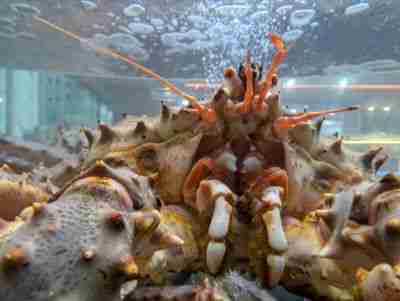
Discover the fascinating world of red king crabs—their massive size, unique behaviors, and vital role in the ocean ecosystem. Learn about their habitat, life cycle, and the challenges facing this iconic species. Dive in and explore more at Oceana!




I think this is one of the most important information for me.
And i’m glad reading your article. But wanna remark on some general things, The web site
style is perfect, the articles is really nice : D. Good job,
cheers