

WANT TO EXPLORE MORE? VISIT FRENCHYSONLINE.COM FOR MORE INFORMATION ON LOCAL ACTIVITIES! – WANT TO EXPLORE MORE? VISIT FRENCHYSONLINE.COM FOR MORE INFORMATION ON LOCAL ACTIVITIES!
WANT TO EXPLORE MORE? VISIT FRENCHYSONLINE.COM FOR MORE INFORMATION ON LOCAL ACTIVITIES! – WANT TO EXPLORE MORE? VISIT FRENCHYSONLINE.COM FOR MORE INFORMATION ON LOCAL ACTIVITIES!
History and Origins of Shrimp Cocktail

Introduction
Shrimp has long been enjoyed as a seafood appetizer, but the chilled shrimp dish we recognize today emerged in the early 20th century, thanks to refrigeration. Refrigerated boxcars allowed fresh shrimp to reach inland diners, helping it grow popular in restaurants and on trains. This technology also allowed other seafood, like Florida Grouper, to be shipped while fresh, keeping the firm, white fillets flavorful. Modern refrigeration brings these coastal treasures from boat to table, letting inland diners enjoy gourmet seafood (Colorado Railroad Museum, 2021).
Source: https://coloradorailroadmuseum.org/2021/07/09/dining-on-the-rails-july/
The Evolution of Shrimp Cocktail Through the Ages
This appetizer grew from a simple seafood starter into a beloved American dish, similar to other coastal favorites like Florida Grouper. Originally, oysters were the primary focus, served in cocktail glasses with vinegar, ketchup, horseradish, and Tabasco, particularly during the California Gold Rush. By the 1950s, however, shrimp became the main attraction due to advances in refrigeration and the depletion of oyster beds.
In 1946, the expansion of trucking made fresh shrimp widely available inland, just as it eventually did for deep-water species like the Grouper. Subsequently, in 1959, Italo Ghelfi introduced the chilled shrimp appetizer to Las Vegas at the Golden Gate Casino, cementing its status as a luxury icon. Inland diners could enjoy fresh ocean flavors that were once available only to people on the Florida coast. Smart marketing and a national love for starters made this chilled shrimp dish a permanent appetizer in restaurants and casinos.
Source: https://www.tastingtable.com/1705236/shrimp-cocktail-history-las-vegas-nevada/
Shrimp Cocktail as a Festive Appetizer
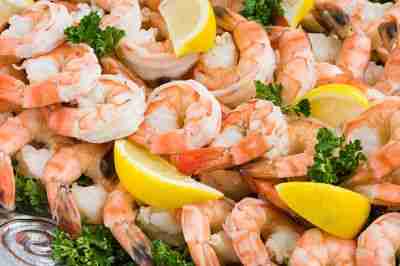
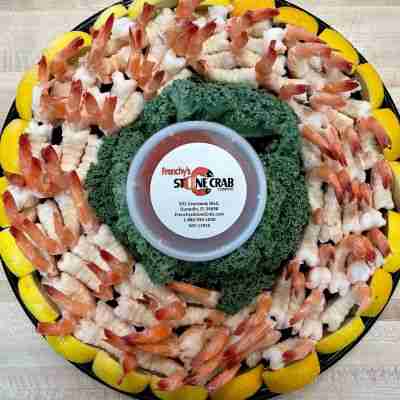
Chilled shrimp appetizers quickly became a popular festive starter for parties and special events. Served in chilled cocktail glasses—a style that grew during Prohibition when cups were used for drinks and small dishes—they were both elegant and eye-catching. The glassware gave a sophisticated look to non-alcoholic appetizers, turning simple seafood into a status symbol. The combination of chilled shrimp and tangy sauce appealed to many, and restaurants, hotels, casinos, and social clubs adopted it as a signature starter.
By mid-century, chilled shrimp appetizers spread beyond coastal dining and became popular at celebrations and upscale gatherings. Mid-century dinner parties praised the dish for being light and easy to prepare, helping its popularity grow. Consequently, it moved from exclusive seaside resorts to suburban kitchens and city ballrooms alike. Shrimp cocktail became a timeless classic, remaining a favorite at weddings, holiday events, and other celebrations. (Aqua Pazza Boston, 2021).
Source: https://www.aquapazza-boston.com/news/2021/10/20/history-of-shrimp-cocktails/
Gourmet Seafood Trends and Shrimp Cocktail
Over time, shrimp cocktail evolved into a gourmet seafood dish, appearing on upscale menus and at fine-dining establishments. Chefs experimented with presentation, serving shrimp in elegant glasses with garnishes and house-made sauces. Modern variations use flavored sauces and locally sourced shrimp to boost freshness and taste. Using quality ingredients and stylish presentation turned the simple appetizer into a sophisticated dish for special occasions. Today, shrimp cocktail remains a popular seafood appetizer, celebrated for both its classic appeal and its versatility in gourmet cuisine (Aqua Pazza Boston, 2021).
Source: https://www.aquapazza-boston.com/news/2021/10/20/history-of-shrimp-cocktails/
The Lasting Legacy of Shrimp Cocktail

Shrimp cocktail remains a popular seafood appetizer, loved for its flavor, simplicity, and elegant presentation. From early 20th-century America to modern parties, it became a classic dish that remains popular. Today, chefs serve it with creative twists, gourmet sauces, and stylish presentation, keeping it fresh and appealing.
For home cooks, using high-quality ingredients makes all the difference. You can order fresh Key West Pink Shrimp or other seafood from Frenchy’s online store, along with their flavorful cocktail sauce to make an easy, delicious shrimp cocktail at home. For holidays or casual meals, shrimp cocktail stays a favorite appetizer and a staple in gourmet seafood cuisine.
If you place them in the refrigerator after receiving them, they will be good for 3-5 days. If they go directly into the freezer, they can be saved for months. Think of them like any other frozen seafood item.
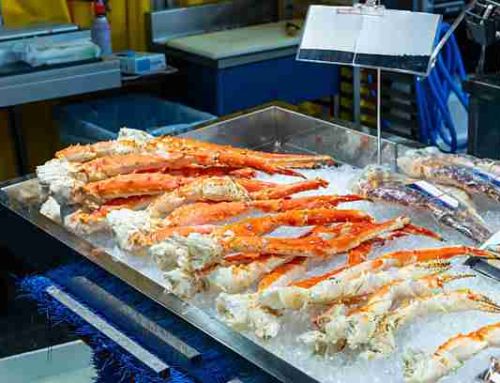
We do not recommend leaving the crab in the box once you receive it. Stone crab claws require open air to maintain freshness. If they are in an enclosed box/bag for over 48 hours, the claws will become acidic smelling. We recommend storing the claws in the refrigerator in the open air or the crisper drawer.
No. We do not recommend scoring or pre-cracking stone crab claws, as the meat tends to dry out quickly once cracked.
This depends on the size of the claw. For a more detailed visual look, click here.
Medium claws: 6-7 per pound
Large claws: 4-5 per pound
Jumbo claws: 3 per pound
Colossal: 2 per pound
Mega Colossal: 1 per pound <- These guys are HUGE!!
SALTWATER THAWING BRINE:
You are looking for a ratio of about one-half cups of salt to one gallon of water. Put the container in your fridge or, if you don’t have room in your fridge, use ice bags to keep it cool. Keep in solution overnight for a fresh, just out of the water, taste!
This answer depends on the time of year that they are purchased. At Frenchy’s Seafood Market, our goal is to provide the freshest seafood possible. During the off-season, it is common for us to “Fresh Freeze” the crab after cooking to ensure freshness and preserve the already cooked meat. For thawing instructions, see “How do I thaw frozen Stone Crab claws?”
There are several options for opening stone crab claws. If you click HERE you will find our stone crab cracker. This is an industrial-strength cracker, which assists in opening the toughest shells! This cracker is best used for large quantities of stone crab claws. For smaller amounts, you can simply use the handle of a butter knife to open them. Use this with the same force that one would use to hit a nail with a hammer. Take care not to over crack the claws, as this will cause the shells to become embedded in the claw meat. For the ultimate culinary experience, read our stone crab serving guide for a more in-depth look!
Stone crab claws are similar to shrimp. Some people prefer them cold and dipped in mustard, while others prefer them heated. If you heat them, a quick dip (no more than a minute) in boiling water will bring them up to temperature! If still not sure, check out our stone crab preparation guide!
Yes, Stone Crab are cooked as soon as they are taken off the boats to ensure that the meat does not stick to the shell!
The season begins on October 15 and ends on May 1. During the summer months, we offer a superior quality Stone, frozen at the peak of freshness and arrives at your door ready to eat. For more information check out our Stone Crab Season Guide.
Dive Deeper Into Key West Pink Shrimp – Dive Deeper Into Key West Pink Shrimp –
Dive Deeper Into Key West Pink Shrimp – Dive Deeper Into Key West Pink Shrimp –
Curious about what makes pink shrimp such a valuable part of Florida’s Gulf Coast fisheries? This NOAA Fisheries page explains the biology, habitat, and management of pink shrimp in U.S. waters. Learn how science and regulation help keep this iconic seafood species healthy and abundant.
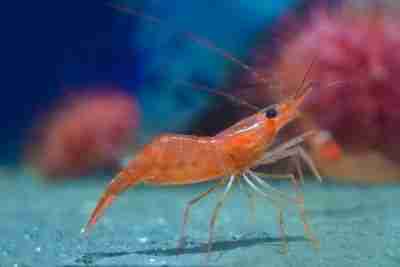
Want to understand how shrimp harvesting works around the world and what sustainable practices look like? This FAO guide breaks down global shrimp fisheries, biology, and management in a clear, expert‑backed overview. It’s a valuable resource for anyone interested in sustainable seafood and the science behind shrimp production.




Leave A Comment